
When the Words Won't Come
You know that moment when everything feels too heavy — and you want to pray, but you don't even know where to start?
Maybe it's been weeks of hard news. Maybe it's one crisis stacked on top of another. Maybe you're just bone-tired and the thought of forming coherent sentences to God feels like one more thing you can't do right now.
You're not failing. You're human. And the truth is, God doesn't need your eloquence — He's already listening to what you can't say out loud.
What the Bible Says About Wordless Prayers
Scripture is honest about this. There are moments when we don't have language for what we're carrying — and God meets us there anyway.
Romans 8:26 puts it plainly: "In the same way, the Spirit helps us in our weakness. We do not know what we ought to pray for, but the Spirit himself intercedes for us through wordless groans." — Romans 8:26
That word "groans" matters. It's not polished. It's not structured. It's the sound of someone who's run out of words but hasn't run out of need.
You don't have to perform for God. You don't have to get the theology right or quote the right verse. You can show up empty-handed, and He'll still meet you.
A Simple Prayer You Can Borrow
Sometimes the most helpful thing is just having words you can hold onto — something short, true, and grounded enough to carry you through.
Here's a prayer you can use exactly as it is, or adapt however you need:
"God, I don't have the words right now. But You see what I'm carrying. You know what I need before I do. I'm here — tired, uncertain, maybe even angry — and I'm trusting that's enough. Help me take the next right step. Remind me You're steady even when I'm not. Amen."
That's it. No script. No performance. Just honesty.

When You're Too Tired to Pray Out Loud
There's no rule that says prayer has to be spoken. If forming sentences feels like too much, you're allowed to let your body do the praying.
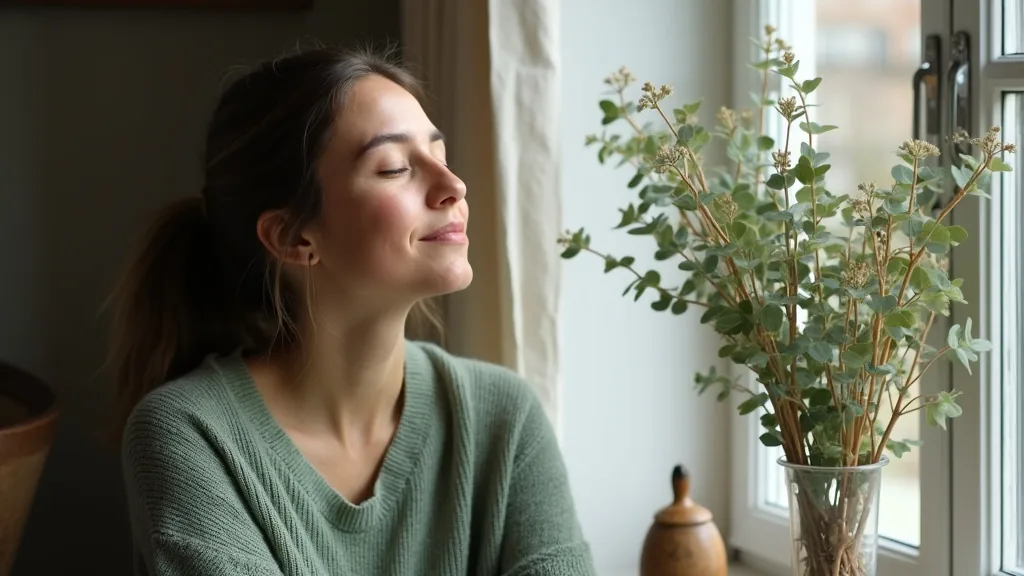
Sit quietly and breathe. Let each exhale be a release — of worry, of control, of the weight you've been holding. Let each inhale be a quiet invitation: God, meet me here.
Psalm 46:10 says, "Be still, and know that I am God." — Psalm 46:10
Stillness isn't passive. It's an act of trust. It's saying, I don't have to fix this right now. I can just be here, and that's enough.
You don't have to manufacture feelings or force gratitude you don't feel. You can just sit. God doesn't need your commentary — He's already present.
When You're Angry or Confused
Here's what nobody tells you: you're allowed to bring your anger to God. You're allowed to say, I don't understand this. I don't like this. I'm exhausted and I need You to show up.
The Psalms are full of this kind of honesty. David didn't sanitize his prayers. He brought everything — fear, frustration, doubt, desperation.
Psalm 13:1-2 opens with this: "How long, Lord? Will you forget me forever? How long will you hide your face from me? How long must I wrestle with my thoughts and day after day have sorrow in my heart?" — Psalm 13:1-2
That's not a tidy prayer. It's raw. And it's Scripture.
God can handle your honesty. He'd rather have your real questions than your polite silence.
Praying With Just One Word
If a full sentence feels like too much, try one word. Just one.
Help. Please. Stay. Mercy.
That's a complete prayer. God doesn't measure by word count.
In the garden of Gethsemane, Jesus prayed the same thing three times — short, desperate, honest. He didn't need variety. He needed presence.
You can do the same. Pick one word that holds what you're feeling, and let it be your prayer throughout the day. Whisper it. Think it. Let it anchor you.
When Someone Else's Words Help
There's no shame in borrowing prayers that someone else wrote. The church has been doing this for centuries.
If your own words won't come, lean on the prayers of others. Read a Psalm out loud. Use a liturgy. Repeat the Lord's Prayer slowly, letting each line settle.
Philippians 4:6-7 reminds us: "Do not be anxious about anything, but in every situation, by prayer and petition, with thanksgiving, present your requests to God. And the peace of God, which transcends all understanding, will guard your hearts and your minds in Christ Jesus." — Philippians 4:6-7
Notice it says present your requests — not perform them. You're not auditioning. You're just showing up.
What to Do When Prayer Feels Pointless
Sometimes it's not that you don't have words — it's that you're not sure prayer matters anymore. You've prayed before, and things didn't change. So why keep going?
Here's the thing: prayer isn't a transaction. It's not a formula where you say the right thing and get the outcome you want. It's relationship. It's presence. It's choosing to stay connected even when you don't understand.
You don't have to feel it working. You don't have to see results. You just have to show up — even if that showing up looks like silence, frustration, or a half-formed thought in the middle of the night.
God's not grading your effort. He's just glad you're here.

A Few Practical Ways to Pray When You're Overwhelmed
If structure helps, here are some grounded ways to pray when everything feels too big:
- Set a timer for two minutes. Sit quietly. Don't force words. Just be present. That's prayer.
- Write one sentence in a journal. It doesn't have to be eloquent. "God, I'm tired" counts.
- Go for a walk and talk to God like a friend. Out loud or in your head. No script needed.
- Light a candle and let it represent your prayer. You don't have to say anything. Let the flame be your offering.
- Text a trusted friend and ask them to pray. You don't have to carry this alone.
These aren't lesser forms of prayer. They're real, honest, and enough.
✦ Scripture Anchor
"The Lord is close to the brokenhearted and saves those who are crushed in spirit." — Psalm 34:18
One small step
Choose one word that captures how you feel right now — tired, confused, hopeful, angry — and whisper it as a prayer three times today. That's enough.
Hard times don't require perfect prayers. They just require presence — yours and God's. And He's already there, listening to what you can't say.
Save this for later — and if it helped, explore more at FaithHavenJournal.com.